Website designed with the B12 website builder. Create your own website today.
Start for free
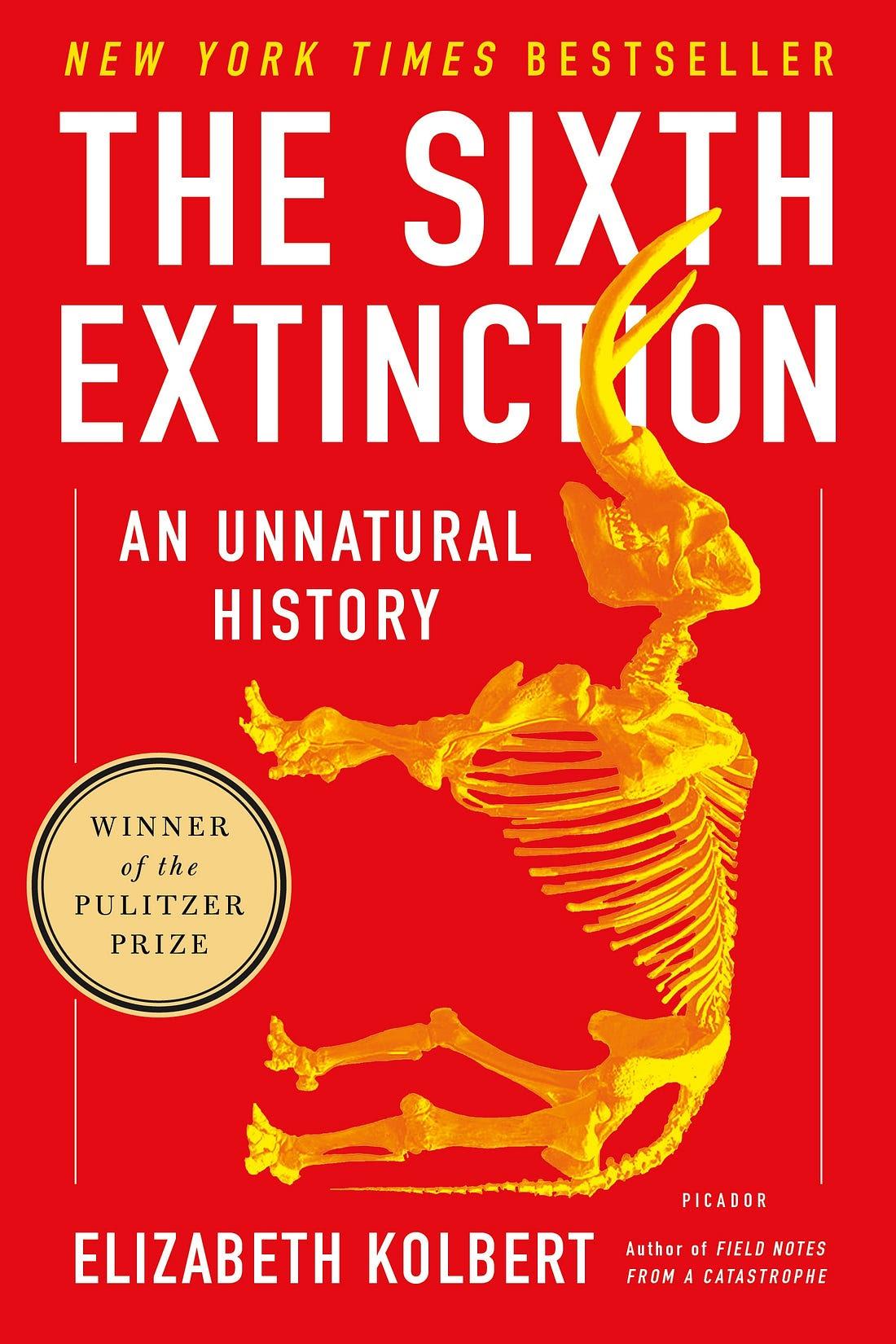
Kolbert begins her narrative with a visit to the island of Pohnpei in Micronesia where she witnesses firsthand the disappearance of birds due to introduced predators like rats and cats. This sets the stage for exploring the concept of extinctions throughout history, including the five previous mass extinctions caused by natural events such as asteroid impacts or climate change. However, what distinguishes our current era from these past periods is its cause - humans.
Throughout the book, Kolbert delves into different aspects of humanity's impact on biodiversity. She discusses topics ranging from overfishing and habitat destruction to pollution and invasive species. For instance, she visits the Great Barrier Reef off Australia’s coast to observe coral bleaching caused by rising ocean temperatures resulting from global warming. Similarly, she travels to New Zealand to see the effects of possums, which were brought there by settlers and have since decimated native bird populations.
One significant theme explored in "The Sixth Extinction" is the role of science in understanding and addressing the crisis. Kolbert highlights the importance of paleontology, genetics, and other fields in piecing together evidence about past extinctions and predicting future ones. She also examines the challenges faced by scientists trying to communicate their findings effectively to policymakers and the public.
Another key aspect of the book is its focus on individual stories within the larger context of the sixth extinction. Kolbert profiles several researchers who dedicate their lives to studying endangered species and working towards conservation efforts. These include biologists tracking down the last remaining individuals of critically imperiled animals, such as the golden toad in Costa Rica, and ecologists attempting to reintroduce extinct plants back into their original habitats.
Finally, "The Sixth Extinction" raises questions about responsibility and accountability regarding the ongoing loss of biodiversity. Kolbert argues that while all humans contribute to the problem through consumption patterns and lifestyle choices, it falls disproportionately on those living in developed countries due to higher levels of resource use and waste production. She suggests that changing societal norms and values will be necessary if we hope to reverse course before too many more species disappear forever.
Overall, "The Sixth Extinction" serves as both a sobering wake-up call and a call to action concerning the state of life on Earth today. By combining scientific rigor with personal anecdotes and vivid descriptions, Kolbert creates a compelling narrative that leaves readers feeling informed yet hopeful about the possibility of reversing the tide of extinction.
"The Sixth Extinction: An Unnatural History", written by Elizabeth Kolbert, is a Pulitzer Prize-winning book that explores the current mass extinction event on Earth. I first learned of this book through an older colleague I admired. I was still young when I first heard of this work, and perhaps not ready to grapple with the issue at hand.
In this work, Kolbert takes readers through various locations around the world to examine how human activities are driving species to extinction at an unprecedented rate.